Utopia Part 1 • Exclusive

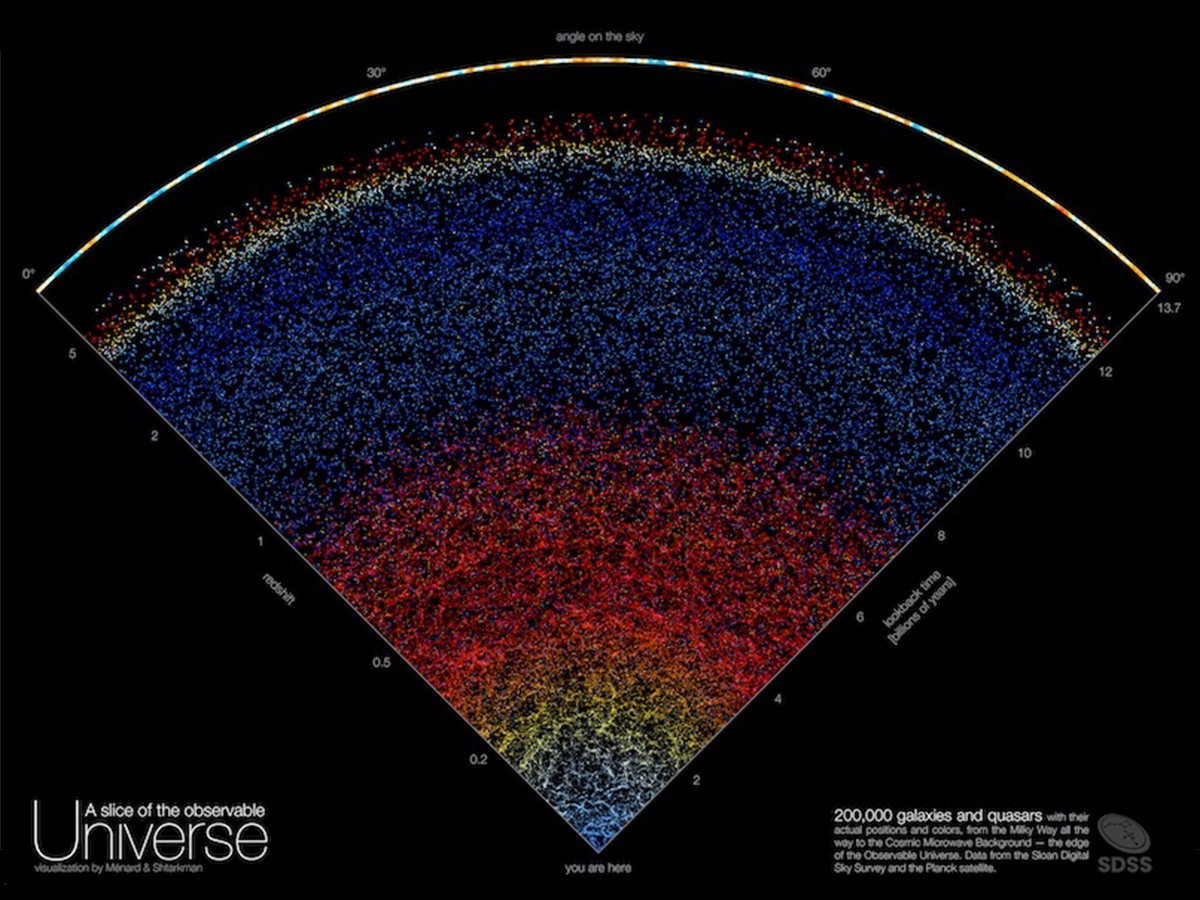
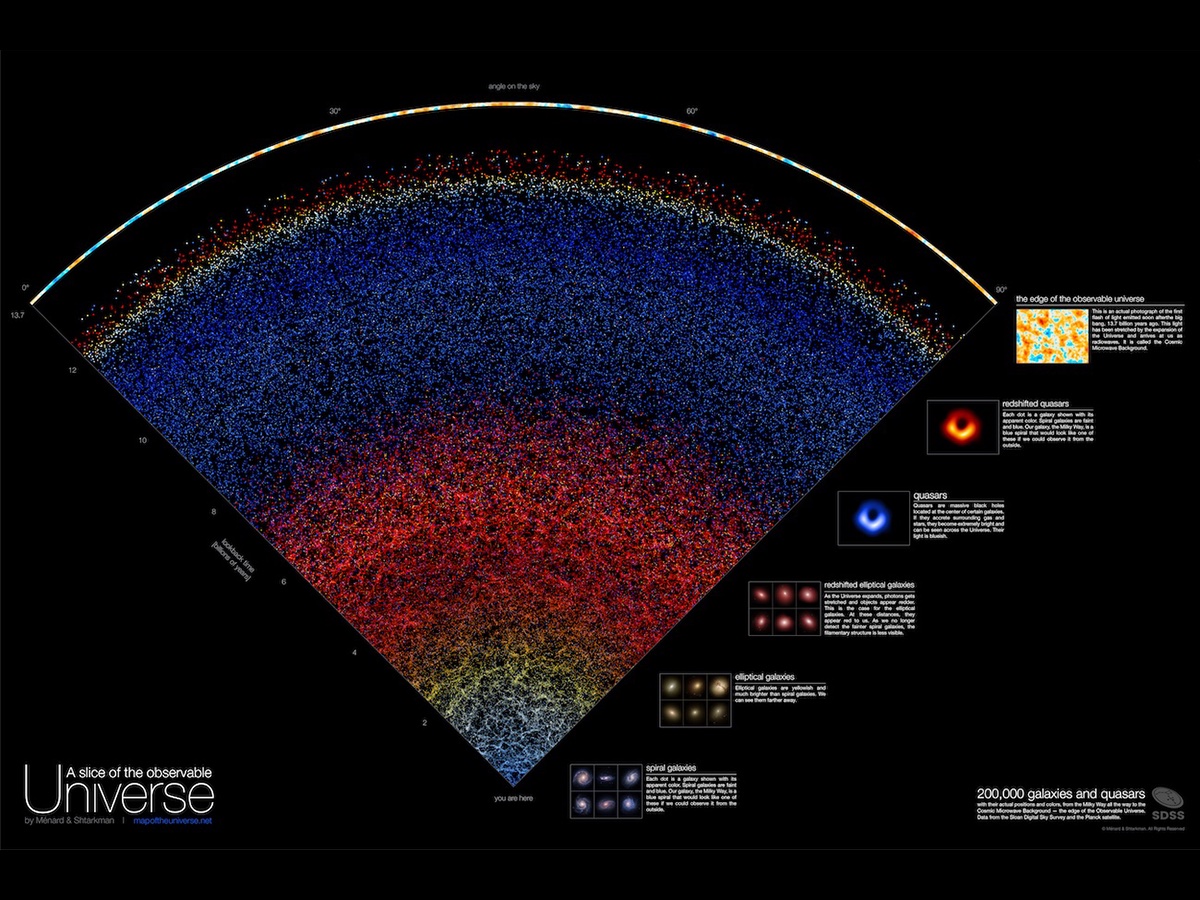
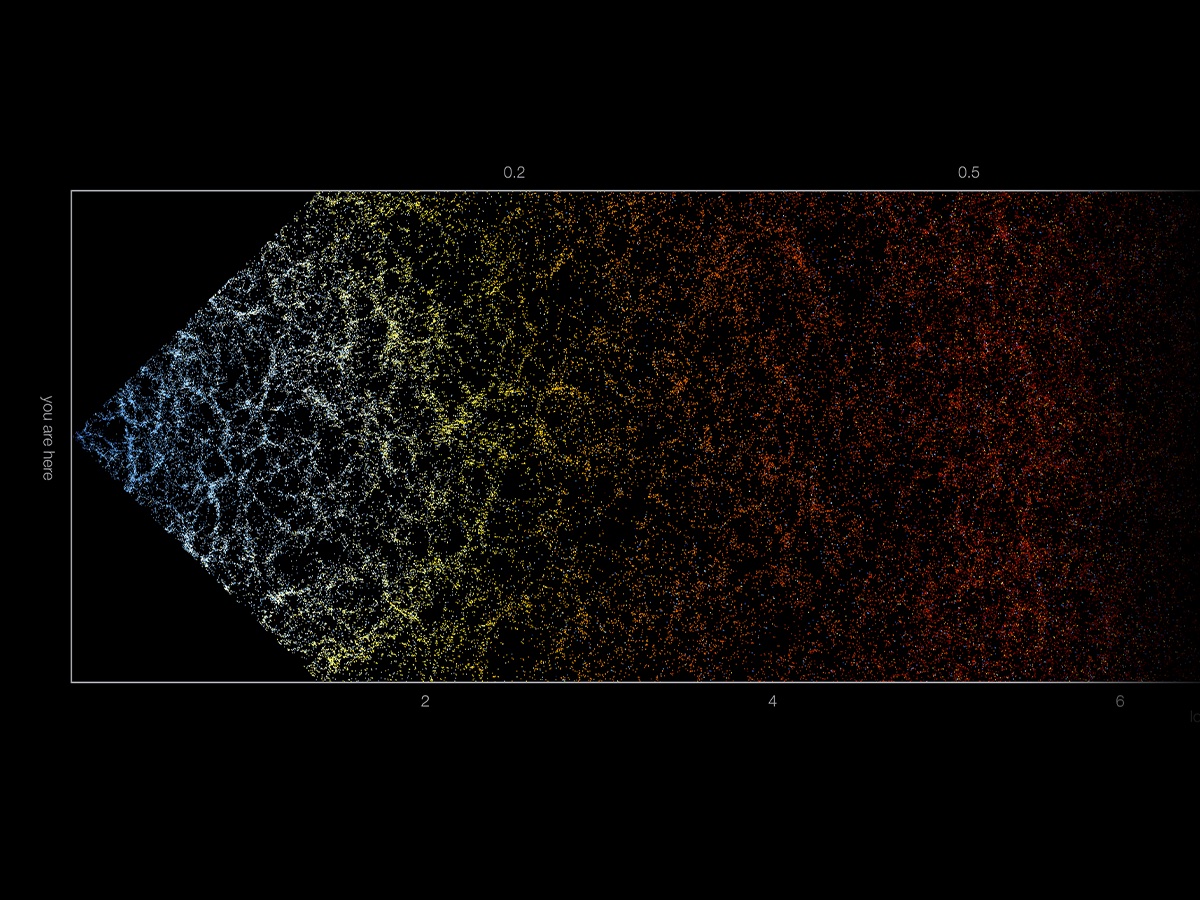
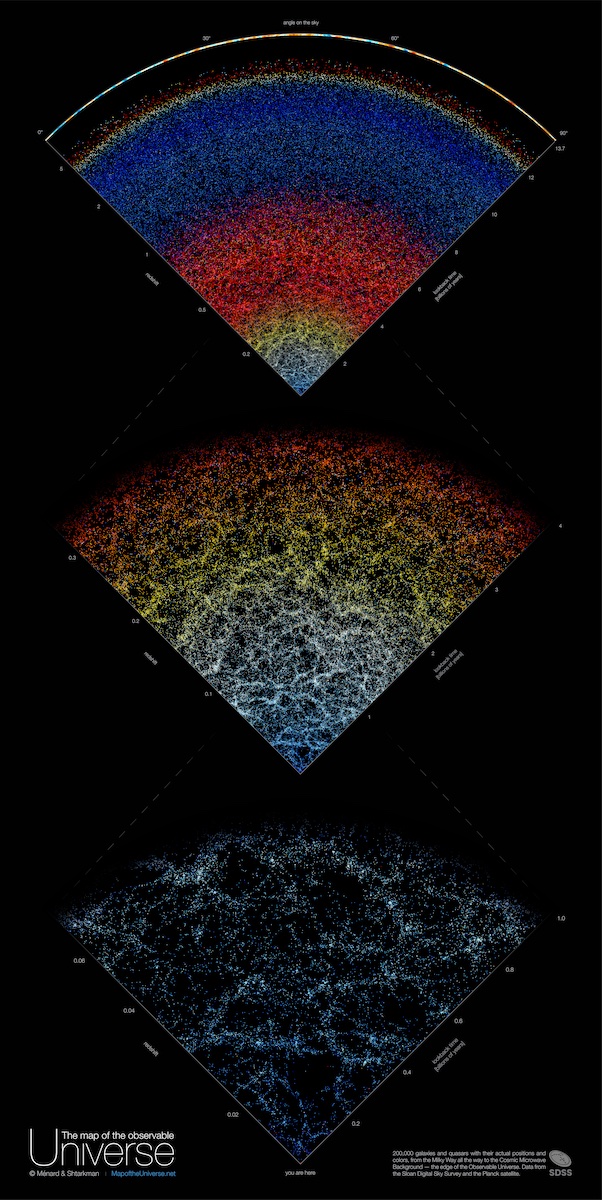
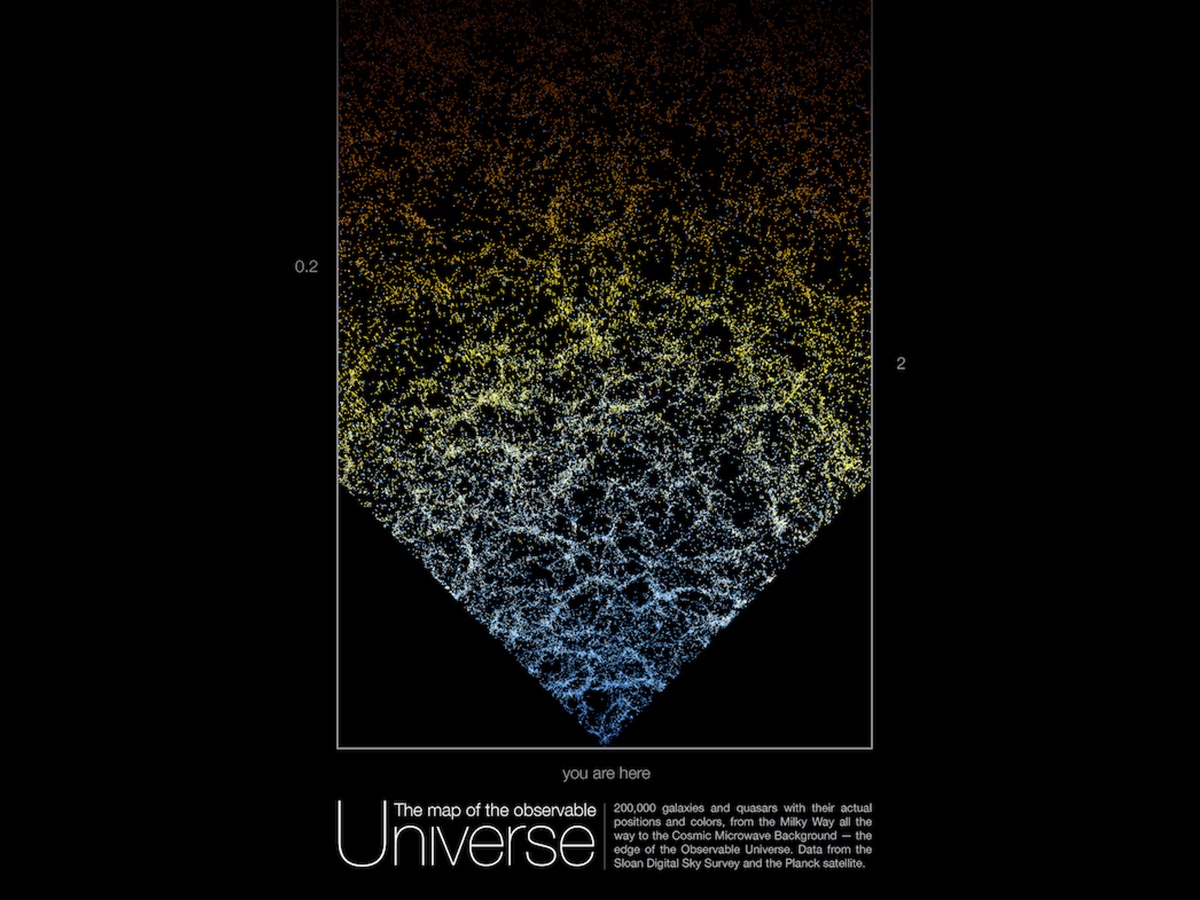
Astronomers have observed millions of galaxies
Each point on this page is a real galaxy
This is what deep space looks like
These early iterations of utopia were fundamentally about control. They were the "Part 1" of the concept because they believed the solution to human suffering was structural. If you could only build the right walls, pass the right laws, and design the right routine, human nature would bend toward the good.
What actually makes a society "perfect"? While different thinkers have different answers, most Utopian blueprints in Part 1 of our history share three core pillars: 1. Equality and Justice
In almost every Utopian vision, the hierarchy of the "old world" is dismantled. Whether it’s Plato’s Republic or the communal living of 19th-century experiments, Utopia requires a system where resources are shared, and every citizen has a voice. 2. The End of Scarcity
These early iterations of utopia were fundamentally about control. They were the "Part 1" of the concept because they believed the solution to human suffering was structural. If you could only build the right walls, pass the right laws, and design the right routine, human nature would bend toward the good.
What actually makes a society "perfect"? While different thinkers have different answers, most Utopian blueprints in Part 1 of our history share three core pillars: 1. Equality and Justice
In almost every Utopian vision, the hierarchy of the "old world" is dismantled. Whether it’s Plato’s Republic or the communal living of 19th-century experiments, Utopia requires a system where resources are shared, and every citizen has a voice. 2. The End of Scarcity
Images of the Deep Field, Spiral Galaxies, and Elliptical Galaxies courtesy of ESA/Hubble & NASA
Image of the CMB courtesy of ESA/Planck
Image of the Black Hole courtesy of NASA
Image of the SDSS Telescope courtesy of Sloan Foundation
Images of Galaxies shown over map courtesy of Nasa-Sloan Atlas
utopia part 1