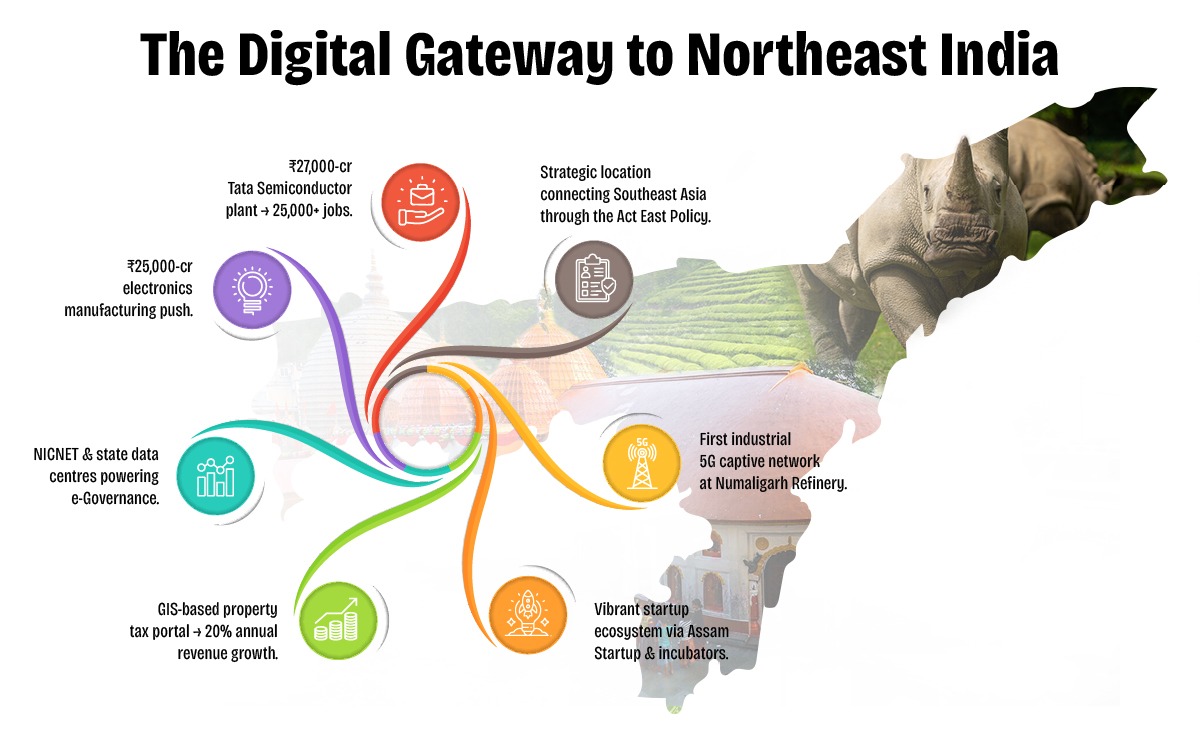
Assam is rapidly emerging as a digital innovation hub in Northeast India, driven by visionary policies and proactive governance under the Digital Assam initiative. With a growing IT ecosystem, expanding digital infrastructure, and a strong focus on e-Governance, the state is positioning itself at the forefront of India's digital transformation.
To further accelerate this journey, Elets Technomedia, in collaboration with the Information Technology Department, Government of Assam, is organising the National Digital Innovation Summit 2025 on 5-6 December in Guwahati. The summit will provide a platform for policymakers, industry leaders, innovators, and technologists to deliberate on strategies to advance the state's digital progress.

Sessions

Dynamic Speakers

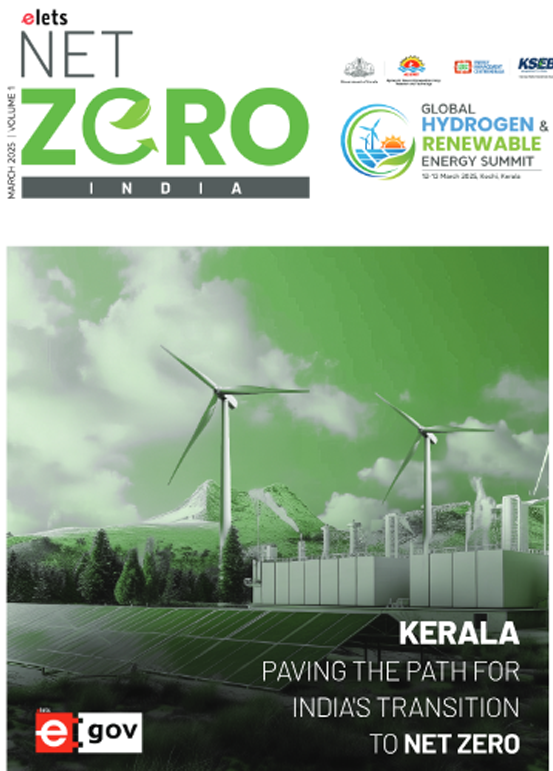
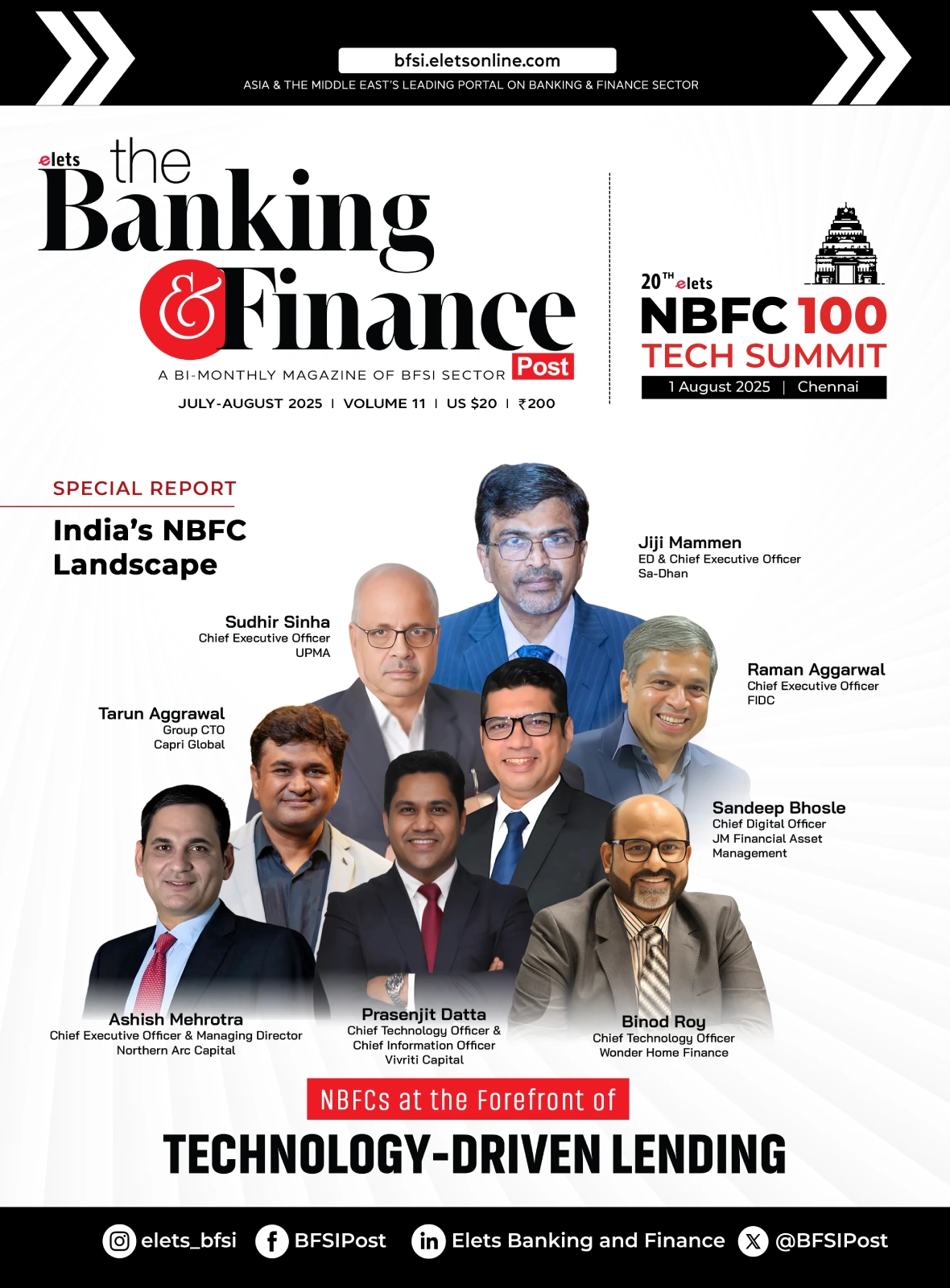
of Special eGov Magazine

featuring cutting-edge solutions

Networking
An Initiative By

Knowledge Partner

Host Partner

Supporting Partner

Powered By

Banking Partner

Gold Partners


Digital Transformation Partner

Secured Communications Technology Partner

Associate Banking Partner

Technology Partner

Data Center Partner

E-Governance Partner

Branding Partners


Supporting Partners



When you see a designation like ioc1.ic1 , it usually signifies a used to identify a specific tier of threat data. In many automated threat feeds, data is parsed and categorized. A tag such as this might be used to route specific indicators to a specific queue or to denote the source of the intelligence (e.g., Intelligence Community Source 1).
To understand why a tag like ioc1.ic1 matters, one must first understand the life cycle of an IOC. When a cyberattack occurs, it leaves traces—digital footprints. These footprints are the IOCs. They can be:
(DNS logs):
Security systems ingest millions of these indicators daily. To manage this deluge, platforms assign metadata tags. ioc1.ic1 could theoretically represent the first indicator in a priority sequence from a specific intelligence feed. By categorizing data this way, analysts can write queries such as: "Show me all events tagged with the ioc1.ic1 classification." This allows for rapid triage during an active incident.
If ioc1.ic1 is a configuration artifact, look for processes that read this file and then immediately initiate ICMP traffic.
Digital Transformation in Governance
Startups, Innovations & Entrepreneurial Growth in Northeast India
Artificial Intelligence (AI) for Inclusive Growth
Cloud, Data & Cybersecurity for a Secure Digital Future
Digital Infrastructure & Connectivity in Northeast India
Skilling, Capacity Building & Future Workforce Development
E-Governance & Citizen-Centric Service Delivery
When you see a designation like ioc1.ic1 , it usually signifies a used to identify a specific tier of threat data. In many automated threat feeds, data is parsed and categorized. A tag such as this might be used to route specific indicators to a specific queue or to denote the source of the intelligence (e.g., Intelligence Community Source 1).
To understand why a tag like ioc1.ic1 matters, one must first understand the life cycle of an IOC. When a cyberattack occurs, it leaves traces—digital footprints. These footprints are the IOCs. They can be:
(DNS logs):
Security systems ingest millions of these indicators daily. To manage this deluge, platforms assign metadata tags. ioc1.ic1 could theoretically represent the first indicator in a priority sequence from a specific intelligence feed. By categorizing data this way, analysts can write queries such as: "Show me all events tagged with the ioc1.ic1 classification." This allows for rapid triage during an active incident.
If ioc1.ic1 is a configuration artifact, look for processes that read this file and then immediately initiate ICMP traffic.










































& many more...
Ritika Srivastava
+91- 9990108973Anuj Sharma
+91- 8860651650
Tribunekit. All rights reserved. © 2026
Elets Technomedia, a leading technology research and media organisation, has established a robust global presence since 2003, expanding across India, Malaysia, Sri Lanka, Bangladesh, the UK, the Middle East, and beyond. Driven by a vision to explore new frontiers in tech-led innovation for a better world, Elets pioneers impactful knowledge-sharing platforms, including global conferences, webinars, and research-driven publications. Bringing together the finest policymakers and industry leaders, Elets creates impactful synergies to drive a future-ready world.



COPYRIGHT © 2025. ALL RIGHTS RESERVED BY ELETS TECHNOMEDIA PVT LTD.