Povara Bunatatii Noastre.pdf Link
iPhone • Android
A simple, easy to use app for quickly scoring and tracking disc golf rounds. Score 1-5 players, reuse saved courses and view stats for each player.
Install Now for FREE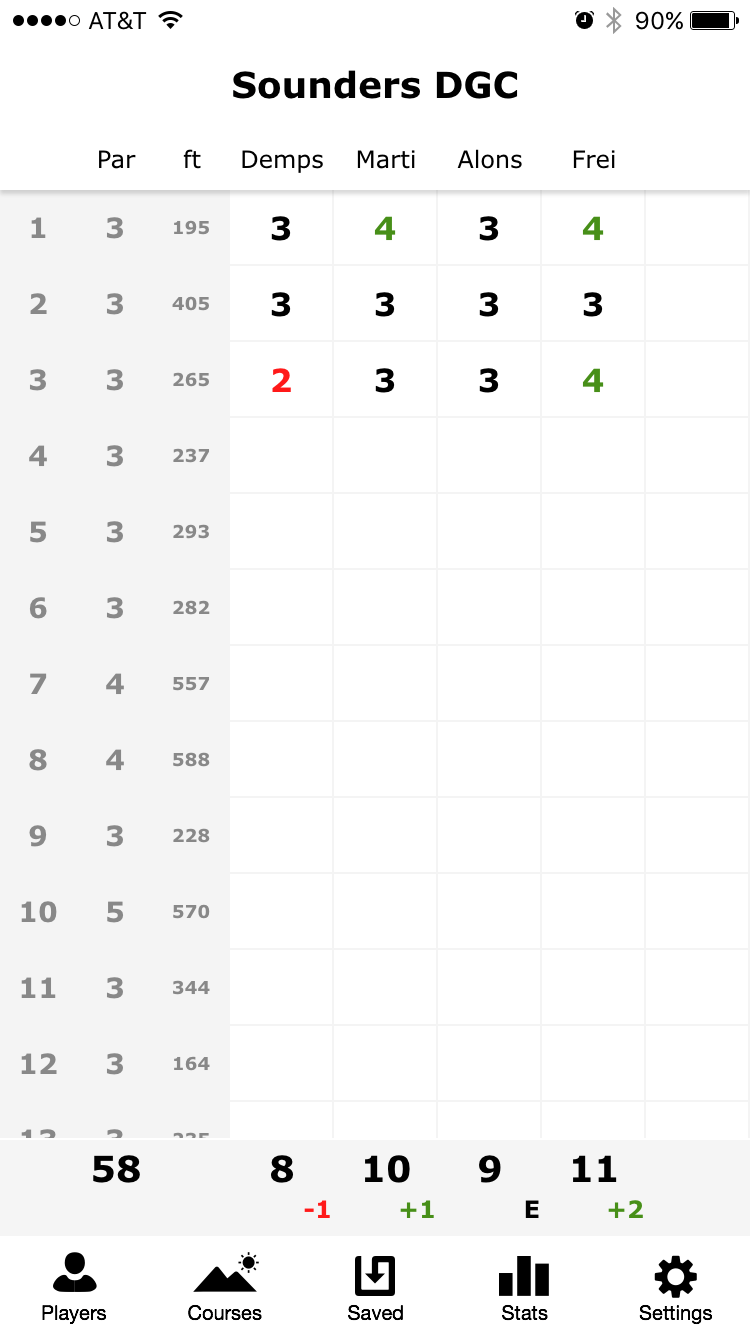
Disc Golf ScoreCard isn't in the iTunes App Store or the Google Play Store. Its a web page that acts like an app (web app). Use the "Install Now for FREE" button above or select your phone below for more instructions.






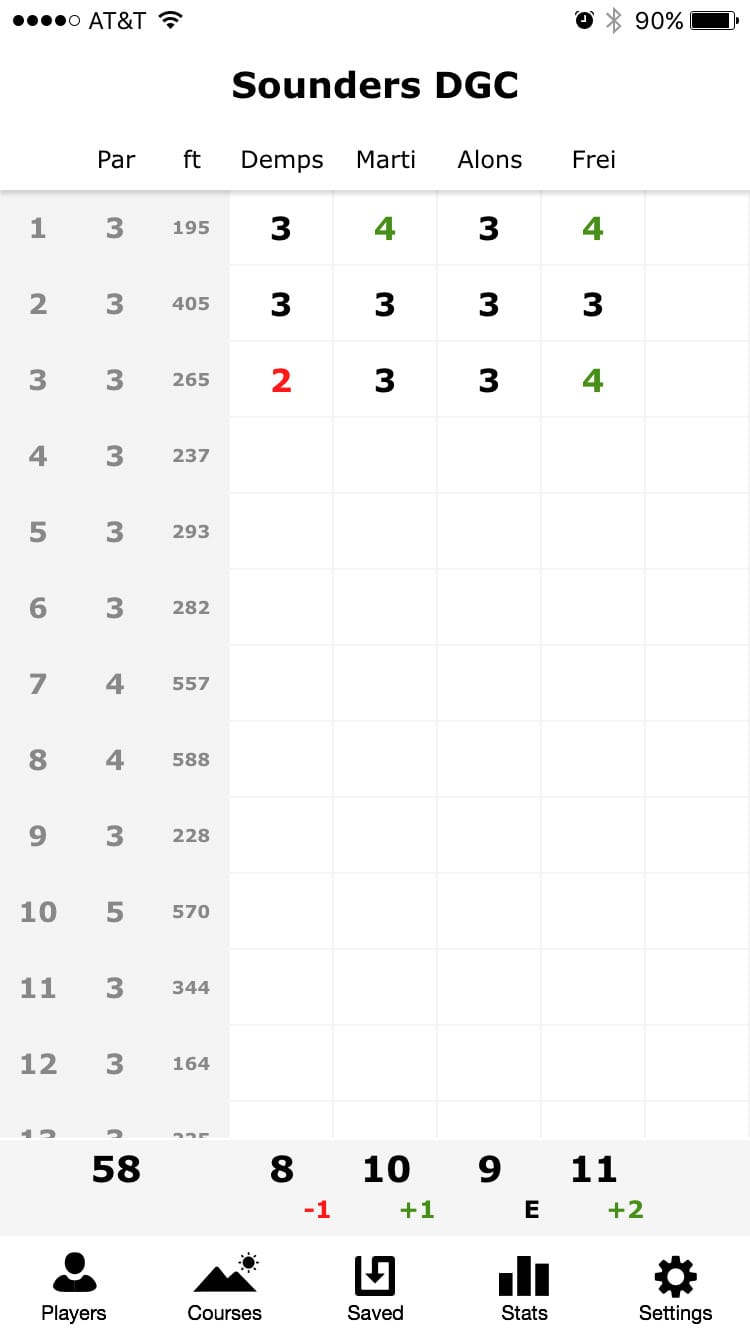
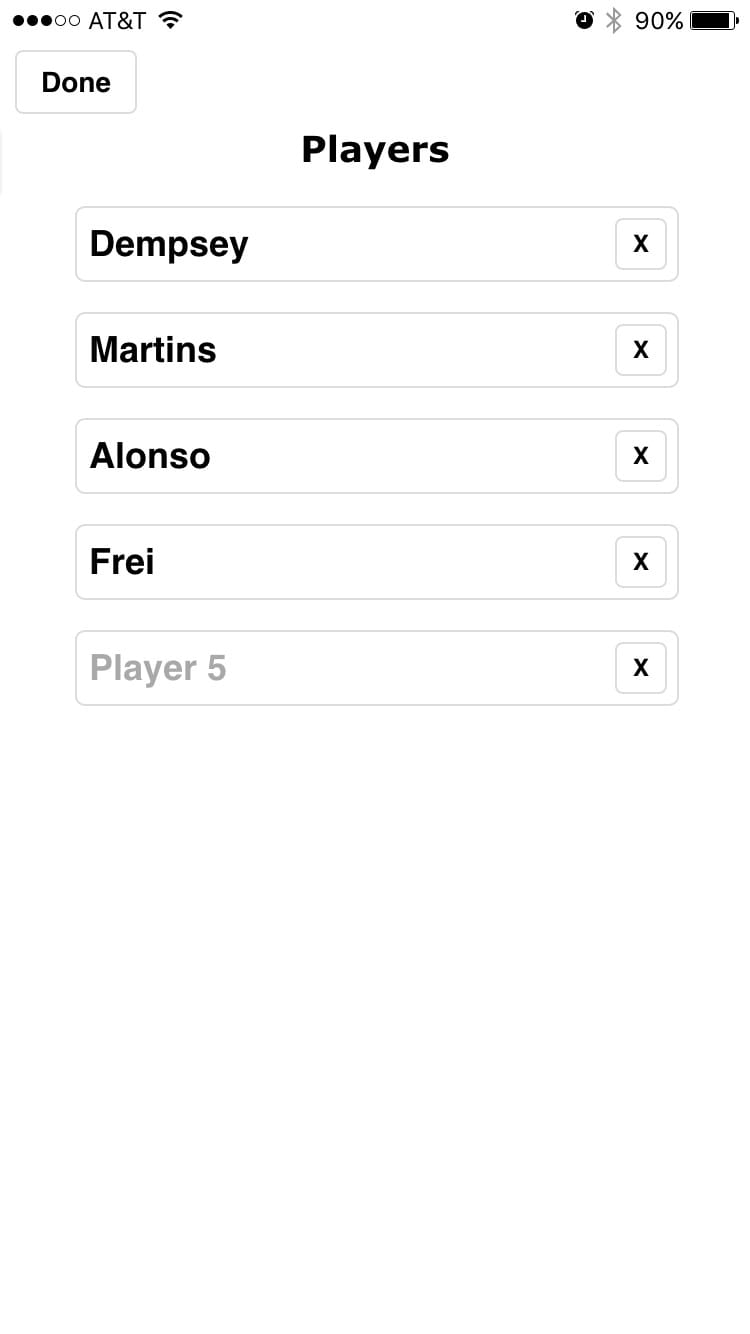
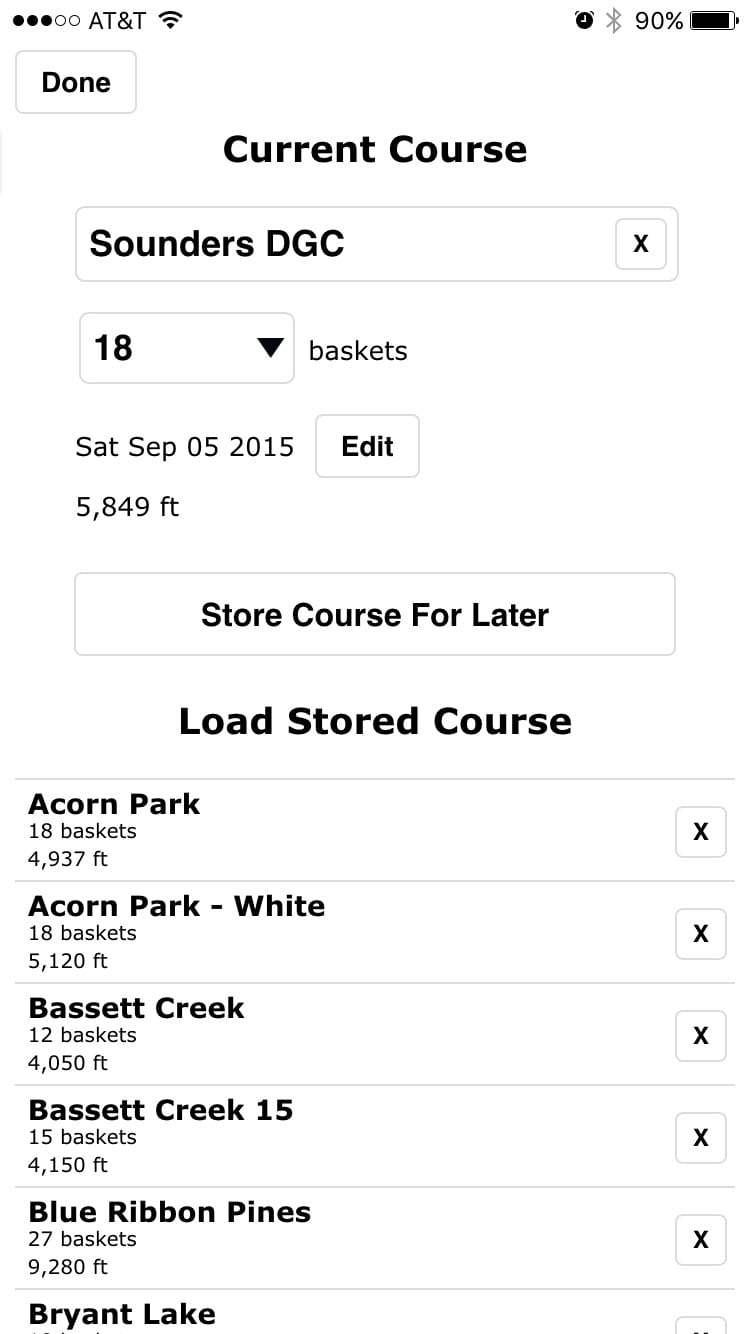
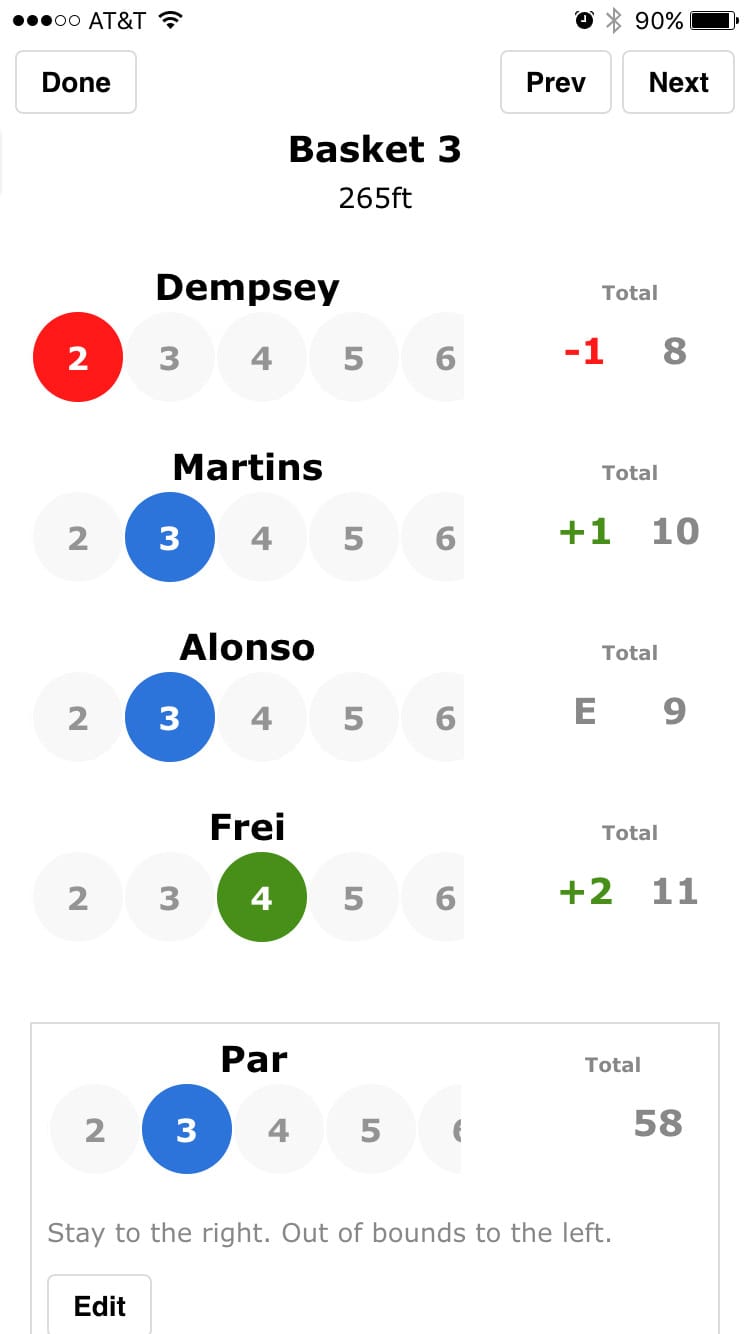
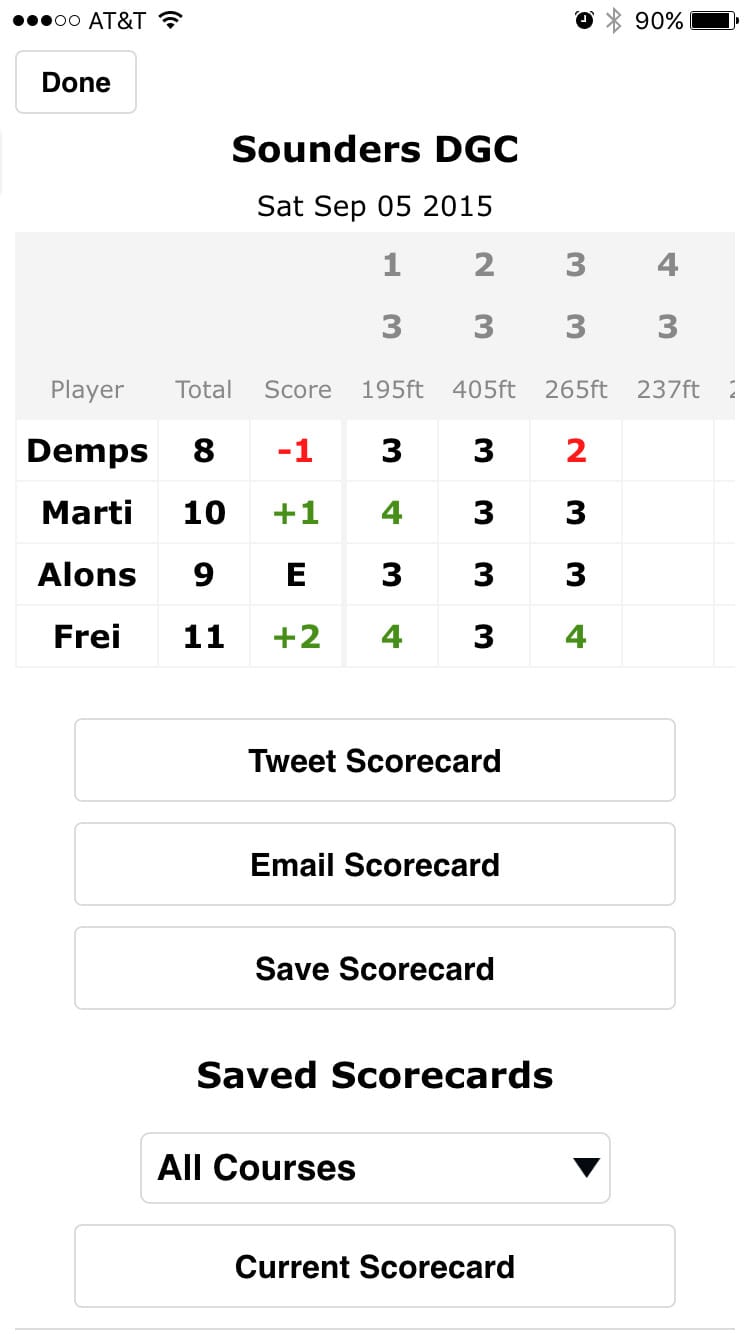
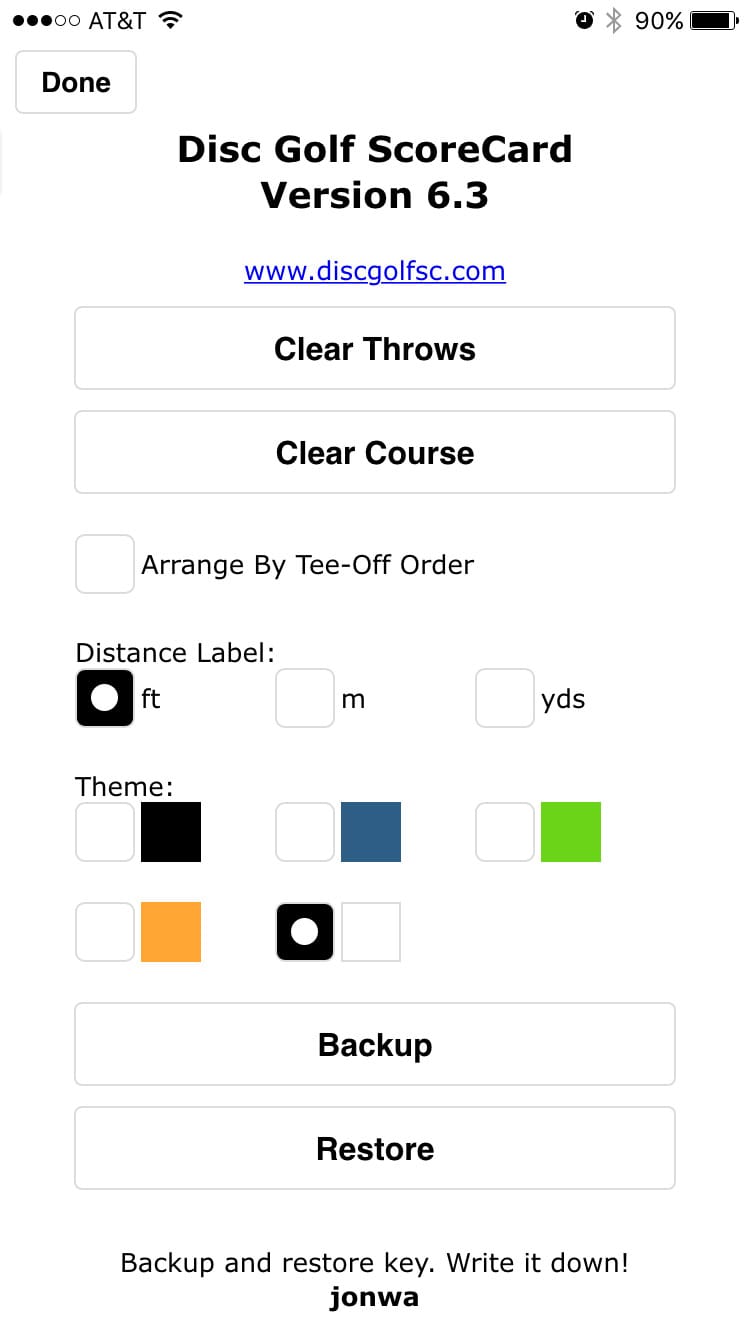
Get started quickly. Enter the player names, course name, number of baskets and you're ready to go. You can enter course information like pars and distances as you play. Simple, quick and easy!
Current version: 7.2
Changes:
Previous changes:
Last updated: March 31, 2021
The PDF would argue that society praises these symptoms as signs of virtue, when in fact they are markers of a collapse.
This article unpacks the central themes such a title implies, exploring the psychological, relational, and social costs of kindness that is unchecked, unreciprocated, or performed at one's own expense. Povara Bunatatii Noastre.pdf
Imagine a river that gives water to every village. If it gives too much, it dries up. A dry river helps no one. The same is true for the human soul. Your goodness is a precious resource, not an infinite one. Guard it. Allocate it. And remember that the most burdened people in history were not the ones who said "no," but the ones who said "yes" until they broke. The PDF would argue that society praises these
On airplanes, parents are told to put on their own oxygen masks before helping their children. The PDF would argue that goodness that destroys the giver is not sustainable. The first act of true bunătate is toward yourself. Setting a boundary is not selfish; it is the prerequisite for long-term generosity. If it gives too much, it dries up
However, the author challenges this archetype by placing the word "burden" (povara) right next to "goodness." This linguistic coupling suggests that virtue is not a passive state of being, but an active weight that must be carried. It implies that maintaining one’s integrity, kindness, and moral compass in a world that often rewards the opposite is an exhausting, heavy labor. When you search for , you are searching for the explanation of this paradox: why does doing the right thing often feel like the hardest thing?
If you own this PDF, you can use the article below as a companion piece, a summary, or a critical analysis of its likely themes. If you need me to adjust the article to match the actual text of your PDF, please paste a few paragraphs from it, and I will rewrite the article accordingly.
