Versions² offers the best way to work with
Subversion on the Mac. Thanks to its clear-cut
approach, you'll hit the ground running.
Don't panic. Versions makes Subversion easy. Even if you're new to version control systems altogether. Commit your work, stay up to date, and easily track changes to your files. All from Versions' pleasant, true to the Mac interface.
File syncing services work well for sharing files, but they are not meant for two people editing the same file. With Version Control one person changing a file can never unknowingly overwrite changes made by another person. xhci-unsupported.kext
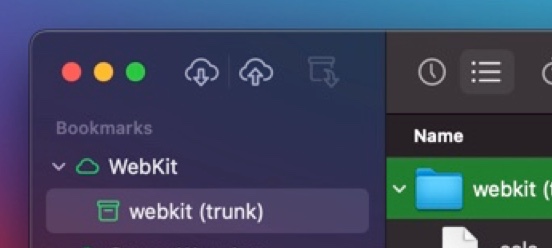
Versions received the first bold user interface refresh in 10 years. From a new app icon, a revamped toolbar to support for the gorgeous Dark Appearance, Versions² fully embraces modern macOS. Around 2017, Intel introduced the (Coffee Lake, Z370,
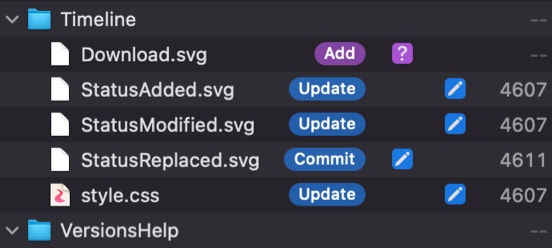
While Subversion offers many features, your typical workday consists of only executing the same few actions over. Versions² offers those, right when you need them, right where you need them. : It injects device IDs for specific Intel
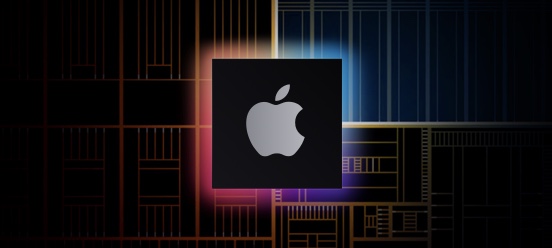
Versions² is optimized for smooth operation on new Macs with M-series chips and also includes an up-to-date Subversion library for optimum security and fidelity.
Around 2017, Intel introduced the (Coffee Lake, Z370, Z390, B360, H310, etc.). Along with performance improvements, Intel made subtle changes to the XHCI controller’s vendor and device IDs. Apple, having not yet adopted those specific chipsets in any Mac model (at least not initially), had no reason to include those specific IDs in their driver’s whitelist.
: It injects device IDs for specific Intel USB controllers so that the native AppleUSBXHCIPCI driver will attach to them. Codeless Design : It contains no binary code—only an Info.plist
xhci-unsupported.kext is a kernel extension (kext) designed for macOS, which enables support for USB 3.0 and USB-C ports on Macs and Hackintoshes (custom-built PCs running macOS). The "xhci" in its name stands for "eXtensible Host Controller Interface," which is a specification for USB host controllers. The "unsupported" part indicates that this kext is intended for use with USB ports that are not natively supported by macOS.
xhci-unsupported.kext is not a hack or a bodge. It is a surgical instrument that tells a stubborn operating system, “This hardware is safe. Let it through.” For owners of modern Intel chipsets and all AMD Ryzen Hackintoshes, it is non-negotiable.
Understanding xhci-unsupported.kext in Hackintosh USB Configuration
Around 2017, Intel introduced the (Coffee Lake, Z370, Z390, B360, H310, etc.). Along with performance improvements, Intel made subtle changes to the XHCI controller’s vendor and device IDs. Apple, having not yet adopted those specific chipsets in any Mac model (at least not initially), had no reason to include those specific IDs in their driver’s whitelist.
: It injects device IDs for specific Intel USB controllers so that the native AppleUSBXHCIPCI driver will attach to them. Codeless Design : It contains no binary code—only an Info.plist
xhci-unsupported.kext is a kernel extension (kext) designed for macOS, which enables support for USB 3.0 and USB-C ports on Macs and Hackintoshes (custom-built PCs running macOS). The "xhci" in its name stands for "eXtensible Host Controller Interface," which is a specification for USB host controllers. The "unsupported" part indicates that this kext is intended for use with USB ports that are not natively supported by macOS.
xhci-unsupported.kext is not a hack or a bodge. It is a surgical instrument that tells a stubborn operating system, “This hardware is safe. Let it through.” For owners of modern Intel chipsets and all AMD Ryzen Hackintoshes, it is non-negotiable.
Understanding xhci-unsupported.kext in Hackintosh USB Configuration